What are the pros and cons of iPhone vs Samsung?
What are the pros and cons of iPhone vs Samsung?
When it comes to choosing a smartphone, two of the most discussed brands are Apple and Samsung. Each has its own loyal fan base and distinct features that can make the decision challenging. In this article, we will delve into the pros and cons of iPhone versus Samsung devices, providing an in-depth analysis intended to help you make a more informed decision. Whether you’re upgrading your phone or purchasing your first device, it’s essential to understand the strengths and weaknesses of each option.
Overview of iPhone and Samsung
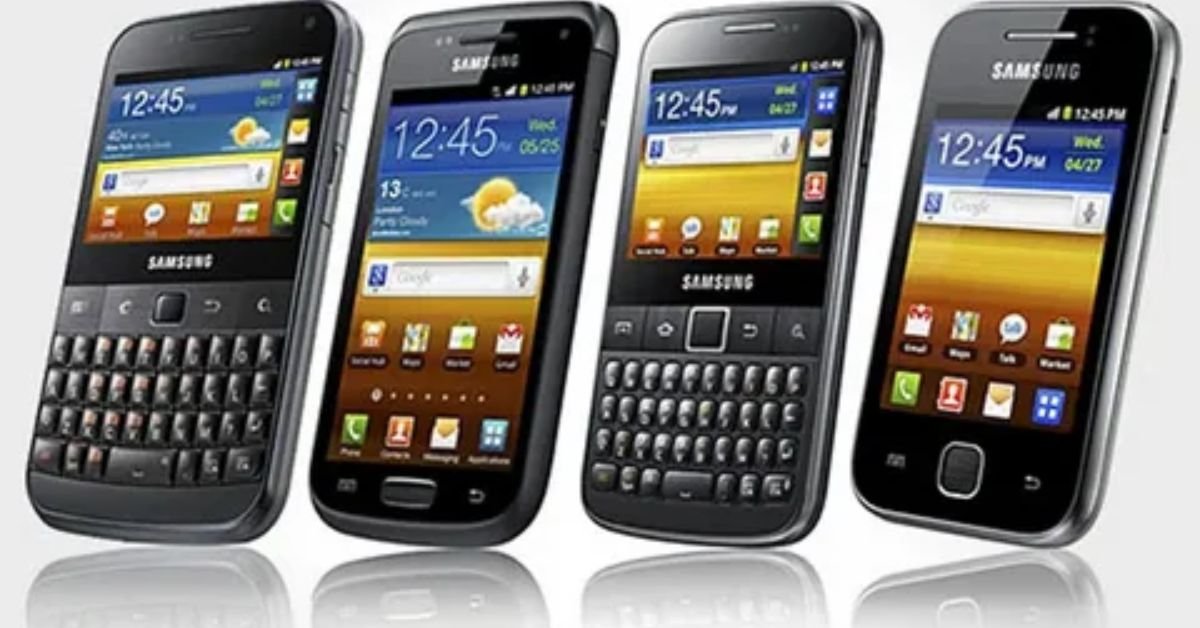
Apple and Samsung represent two corners of the smartphone universe. The iPhone, a product of Apple, is known for its sleek design, robust ecosystem, and focus on user experience. Samsung, on the other hand, is known for its broad range of devices, exceptional displays, and versatile hardware options. Both brands are excellent, but they serve different types of users. Let’s explore what makes each brand unique.
Pros of iPhone
1. User Experience
The iPhone’s user interface is often praised for its ease of use. iOS offers a smooth experience with intuitive navigation, making it ideal for users of all ages. The system is clean and organized, allowing for seamless interaction.
2. Ecosystem Integration
One of the most significant advantages of the iPhone is its integration with the Apple ecosystem. Devices like the Apple Watch, iPad, and MacBook work incredibly well together, providing features like Continuity, AirDrop, and Handoff, which enhance productivity and connectivity.
3. Regular Software Updates
Apple consistently releases software updates across all its devices, typically for many years after a product’s launch. This means iPhone users can enjoy the latest features and security updates without needing to upgrade their hardware.
4. Premium Build Quality
iPhones are renowned for their premium materials and build quality. From the glass front and back to the aluminum frame, iPhones are designed to feel luxurious and durable in hand. This premium feel often contributes to a higher resale value over time.
5. Security and Privacy
Apple places a strong emphasis on user privacy and data security. Features like Face ID, end-to-end encryption for iMessages, and the App Tracking Transparency tool help users feel safe and secure while using their devices.
Cons of iPhone
1. Price Point
iPhones are generally more expensive than comparable Samsung models. The premium pricing can be a barrier for entry-level users or those on a tighter budget.
2. Limited Customization
While iOS offers a cohesive user experience, it is not as customizable as Android. Users seeking to personalize their smartphones with widgets, launchers, or custom ROMs may find the iPhone lacking in this area.
3. Accessories and Compatibility
iPhones require specific accessories, and many peripherals are sold at a premium. Additionally, certain features may be limited to proprietary products, such as the Lightning connector for charging and data transfer.
Pros of Samsung
1. Variety of Models
Samsung offers a wide range of devices from budget to high-end models, accommodating various user preferences and budgets. This diversity allows consumers to find a phone that meets their specific needs.
2. Customization
Android, the operating system used by Samsung, is known for its level of customization. Users can change the appearance of the home screen, use different launchers, and modify settings to a degree that iOS does not allow.
3. Display Technology
Samsung is a leader in display technology, with its AMOLED screens providing vibrant colors and deep blacks. This feature enhances the viewing experience for videos, games, and all types of media consumption.
4. Expandable Storage
Many Samsung smartphones offer expandable storage options through microSD cards. This feature provides added flexibility for users who need more space for apps, photos, and videos without having to pay for higher storage variants upfront.
5. Versatile Camera Options
Samsung devices often come equipped with versatile camera systems, allowing for a variety of shooting modes and customizable settings. This can make Samsung a preferred choice for photography enthusiasts.
Cons of Samsung
1. Software Updates
While Samsung has improved its update policy, the frequency and longevity of software updates can lag behind iPhones. Some models may receive limited updates after a few years, which can affect the device’s performance and security.
2. Bloatware
Samsung devices often come pre-loaded with various apps that users may not find useful, commonly referred to as bloatware. This can lead to clutter and take up storage space, impacting the overall user experience.
3. Fragmentation
The Android ecosystem is fragmented due to the sheer number of devices from different manufacturers. This fragmentation can lead to inconsistencies in performance and experience across different Samsung models.
Which Should You Choose?
Choosing between an iPhone and a Samsung device ultimately depends on your personal preferences and needs. Here are some factors to consider while making your decision:
- Budget: Consider how much you’re willing to spend. Samsung offers devices across many price points, while iPhones typically have a higher price tag.
- User Interface: If you prefer a straightforward, user-friendly interface, the iPhone might be a better option. If you enjoy customization, Samsung’s Android could be appealing.
- Camera Quality: If photography is a priority for you, research specific models to evaluate which camera system aligns with your needs.
- Ecosystem: Reflect on whether you already own other Apple products or Samsung devices. Staying within a single ecosystem can enhance your overall experience.
Related Links:
FAQ
1. What are the main advantages of iPhones?
iPhones offer a smooth user experience, robust security features, regular software updates, and excellent customer service. Their seamless integration with other Apple devices is unmatched, making tasks easier across devices.
2. What are the key benefits of Samsung smartphones?
Samsung devices come with customizable interfaces, a variety of hardware options, and often a lower price point compared to iPhones. Their cameras are typically innovative, appealing to photography enthusiasts.
3. Which brand receives more frequent software updates?
iPhones tend to receive more regular and timely software updates from Apple. Samsung has made progress, but some models may lag behind in receiving the latest updates.
4. Are iPhones or Samsung devices better for gaming?
Samsung devices usually offer better hardware specifications for gaming, such as higher RAM and customizable graphics settings. However, iPhones are optimized for gaming with powerful processors providing smooth performance.
5. Which phone has better resale value?
iPhones generally hold a higher resale value compared to Samsung devices. This is due to brand perception and demand in the second-hand market.
6. Are there any differences in privacy features?
iPhones are known for their emphasis on privacy, implementing various features to protect user data. Samsung also offers security but may have less stringent privacy settings compared to Apple.
7. Which smartphone offers better camera quality?
While both brands offer exceptional camera quality, Samsung often edges out iPhones in low-light performance and versatility with multiple lenses. iPhones excel in color accuracy and video recording capabilities.
What are the pros and cons of iPhone vs Samsung?
Final Thoughts
In conclusion, both iPhones and Samsung devices come with their own advantages and disadvantages. The right choice for you will depend on what you value most in a smartphone. iPhones offer a more streamlined experience with excellent security measures, while Samsung provides a versatile and customizable user experience with a range of device choices. Consider your priorities carefully before making your purchase, and remember that either option can be a fruitful investment in today’s digital age.
When considering a purchase between iPhone and Samsung, many factors come into play ranging from user experience to price sensitivity. Both brands have their strengths and weaknesses, but ultimately, the choice depends on individual preferences. iPhones are renowned for their seamless integration, user-friendly interface, and robust privacy features. However, they can come with a higher price tag and limited customization options. Samsung smartphones, on the other hand, boast a range of customizable features, outstanding hardware, and often, more competitive pricing. Yet, they can suffer from software bloat and may not receive updates as swiftly as their Apple counterparts. By weighing these pros and cons, consumers can make informed decisions that best suit their needs. In a rapidly evolving tech landscape, both iPhone and Samsung continue to innovate, providing users with exciting features and capabilities. Choosing between them often boils down to brand loyalty, ecosystem investments, and personal preferences in design and functionality. Regardless of choice, investing in either brand promises a quality smartphone experience.