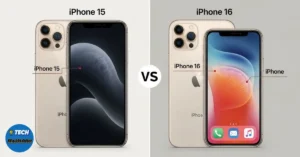
What is the difference between iPhone and Samsung phones?

What is the difference between iPhone and Samsung phones?
The smartphone market is dominated by two giants: Apple and Samsung. With millions of users and numerous features, both brands have their own unique selling points. This article aims to explore the differences between iPhone and Samsung phones, helping you make an informed decision when choosing your next smartphone. Whether you are an Android enthusiast or a loyal Apple user, there’s a lot to consider.
Operating System: iOS vs. Android
One of the most significant differences between iPhone and Samsung phones lies in their operating systems. Apple uses iOS, whereas Samsung phones run on Android. Understanding how these systems function can help you decide which is best for you.
iOS
iOS is known for its smooth user experience, simplicity, and tight integration with other Apple services. It provides regular updates, ensuring that even older models receive the latest features and security improvements. Users often praise iOS for its:
- Intuitive interface
- Consistent performance across devices
- Robust security features
However, iOS has its limitations, such as restricted customization options and a closed ecosystem that can limit app selection compared to Android.
Android
Android, on the other hand, is known for its flexibility and customization options. Samsung’s One UI is user-friendly and offers various features not found in iOS. Key advantages of Android include:
- Wide range of device options and price points
- Customization options that allow users to personalize their devices
- Greater variety of apps available on the Google Play Store
However, Android users might face issues with inconsistent updates across devices, and security can vary depending on the manufacturer.
Hardware and Design
When comparing hardware and design, both Apple and Samsung have made significant strides, yet they approach smartphone design differently.
iPhone Design
iPhones are recognized for their sleek and premium build quality. The materials used, such as aluminum and glass, contribute to a luxurious feel. Some notable aspects include:
- Consistency in design language across models
- Minimalistic aesthetic that appeals to many users
- High-quality Retina displays for vibrant visuals
However, iPhones tend to lack some physical features, such as expandable storage and a headphone jack, which some users may miss.
Samsung Design
Samsung smartphones often feature bold designs with innovative features. They are known for offering high-resolution displays and stunning designs. Key features include:
- Ample screen sizes with Super AMOLED technology for vibrant colors
- Variety in designs, from budget to premium models
- Factors like expandable storage in some models and headphone jacks
Samsung also provides options with curved screens and unique form factors, such as foldable devices, which appeal to tech enthusiasts.
Camera Capabilities
Both Apple and Samsung invest heavily in camera technology, and it is a critical factor for many consumers.
iPhone Camera
iPhones are widely acknowledged for their camera quality. They excel in:
- Color accuracy and natural image processing
- Effortless photography experience with focus on user-friendliness
- Consistent performance in various lighting conditions
The photography capabilities of iPhones are often favored by those who appreciate simplicity and quality.
Samsung Camera
Samsung cameras are versatile, often featuring multiple lenses with varying capabilities. Their strengths include:
- Creative camera features and modes, such as Night Mode and Pro Mode
- High megapixel counts for detailed images
- Advanced zoom capabilities in higher-end models
This allows users to be more experimental with their photography, making Samsung a favorite among creative users.
Battery Life and Performance
Battery performance is crucial for smartphone users, and both brands offer competitive solutions.
iPhone Battery Life
Apple is often praised for optimizing battery life in their iPhones through software enhancements. benefits include:
- Effective power management in iOS
- Good battery longevity even on older models
- Seamless performance in day-to-day tasks
However, users may find that battery size on iPhones is not as large compared to competing devices.
Samsung Battery Life
Samsung provides various battery options across different models, often equipping their devices with larger batteries. Advantages include:
- Fast charging and wireless charging capabilities
- Good battery life on many flagship devices
- Flexible battery optimization options in the settings
However, some Samsung devices may experience performance throttling over extended use, impacting battery longevity.
Software Updates and Support
Software support and updates play a significant role in user experience and device longevity.
Apple’s Approach
Apple is known for providing regular software updates across its devices. The benefits are:
- Immediate access to the latest features and security patches
- Longer lifespan for older models
- Consistent application support
This approach ensures that even older devices maintain functionality and security.
Samsung’s Approach
Samsung offers software updates as well, but the timing and longevity can vary by device. Notable points include:
- Three years of major software updates promised for many recent models
- Varied support based on the model’s price range
- Custom skins like One UI that enhance the Android experience
Users may notice that budget models typically receive fewer updates than flagship devices.
Pricing and Value
Pricing strategies are different between Apple and Samsung, affecting your purchasing decision.
iPhone Pricing
iPhones tend to have a higher price point, reflecting their build quality and ecosystem integration. Considerations include:
- Premium pricing for flagship models
- Resale value remains strong compared to many Android devices
- Fewer budget options available
Samsung Pricing
Samsung offers a wider range of pricing options, catering to various budgets:
- Multiple models across different price points
- High-end flagship models priced competitively
- Budget-friendly options available without sacrificing essential features
This diversity allows users to select models that fit their financial capabilities without compromising quality.
Customer Support and Ecosystem
The customer support experience and ecosystem integration can significantly impact user satisfaction.
Apple’s Ecosystem
Apple’s ecosystem is robust, allowing users to pair devices seamlessly. Key advantages include:
- Easy integration with other Apple devices
- Excellent customer service through Apple Stores
- Comprehensive support resources online
Users enjoy features like iCloud, which streamlines data sharing and backup across devices.
Samsung’s Ecosystem
Samsung provides a more open ecosystem with numerous devices. Its advantages include:
- Variety of products that work well together, including wearables and home appliances
- Flexible support options through various channels
- Stellar community support through online forums
This flexibility attracts users who prefer a range of products beyond just smartphones.
Related Links:
FAQ
1. What is the main difference in operating systems between iPhone and Samsung phones?
The iPhone uses Apple’s iOS, which is known for its simplicity and user-friendly interface. Samsung phones run on Android, allowing for greater customization and flexibility in how one uses the device.
2. Which phone offers better camera quality?
Both iPhone and Samsung phones have excellent cameras, but the choice depends on personal preference. Samsung’s Galaxy series is known for its versatile lenses and low-light performance, while iPhones are praised for their color accuracy and video capabilities.
3. Are iPhones more secure than Samsung phones?
iPhones are often considered more secure due to Apple’s strict control over its ecosystem and regular software updates. However, Samsung devices also offer strong security features, including Knox security for business users.
4. How do battery performances compare?
Battery performance varies by model and usage. Samsung phones often have larger batteries, providing longer usage times, while iPhones optimize power consumption effectively to extend battery life despite smaller capacities.
5. Is it easier to find accessories for one brand over the other?
Due to its large market share, iPhone accessories are often more widely available. However, Samsung also boasts a wide range of accessories, especially for its popular models like the Galaxy series.
6. Which phone is better for gaming?
Both iPhone and Samsung phones are great for gaming, but the iPhone often has superior performance due to its optimized hardware and software. Samsung, however, offers models with high refresh rate displays that enhance gaming experiences.
7. Which brand has better customer support?
Both brands offer extensive customer support, but experiences can vary by region. Apple is often praised for its efficient customer service and Genius Bar, while Samsung provides robust online support and service centers globally.
What is the difference between iPhone and Samsung phones?
Conclusion
Both iPhone and Samsung phones have distinct features catering to different user preferences. Whether it’s the user-friendly iOS or the customizable Android, superior camera capabilities, or device diversity – your choice should align with your personal needs and lifestyle. Assessing aspects like design, performance, camera quality, and pricing will ensure that you select the smartphone that fits you best. As you consider your next smartphone purchase, weighing these critical differences will lead to a decision that you won’t regret.
When it comes to choosing a smartphone, the debate between iPhone and Samsung phones continues to be a hot topic. Both brands offer unique features and benefits, which can make it difficult for consumers to decide. The iPhone, with its streamlined iOS ecosystem, is often praised for its user-friendly interface and seamless hardware-software integration. It’s designed for those who prefer simplicity and elegance in their devices. On the other hand, Samsung phones, running on Android, provide a higher degree of customization, allowing users to tweak their devices to meet personal preferences.
Moreover, Samsung tends to offer a wider variety of hardware options and price points, catering to different budget ranges. Samsung’s camera technology, particularly in its flagship Galaxy series, often rivals that of the iPhone, delivering stunning photography results. However, loyal iPhone users often cite the security features and regular software updates as key reasons for their preference. In essence, the choice between an iPhone and a Samsung phone ultimately comes down to individual needs and priorities. Do you value user experience and consistent performance, or do you prefer customization and a richer hardware selection? No matter which you choose, both brands are committed to excellence in technology.