iPhone 16 Review The Perfect iPhone for Most People

The Flagship That Doesn’t Break the Bank
When Apple unveiled the iPhone 16 in September 2024, it quietly introduced something remarkable that gets overshadowed by the flashier Pro models: a genuinely balanced smartphone that delivers 90% of the flagship experience at 75% of the Pro Max price. Starting at $799, the standard iPhone 16 sits in fascinating territory—expensive enough to demand serious consideration, yet affordable enough to avoid the financial guilt that accompanies $1,199 purchases iPhone 16 review.
But here’s the question I set out to answer during four months of using the iPhone 16 as my daily driver—traveling internationally, capturing thousands of photos, pushing performance limits, and comparing it directly against both the $1,199 iPhone 16 Pro Max and $499 budget alternatives: Is this genuinely “the perfect iPhone for most people,” or is that marketing hyperbole masking frustrating compromises?
👉 The iPhone 16 represents Apple’s attempt to democratize premium features previously reserved for Pro models—bringing the Action Button, Camera Control, A18 chip (not the binned A17 Pro), and significantly improved battery life to the standard tier. These aren’t trivial hand-me-downs; they’re meaningful features that fundamentally improve the daily experience.
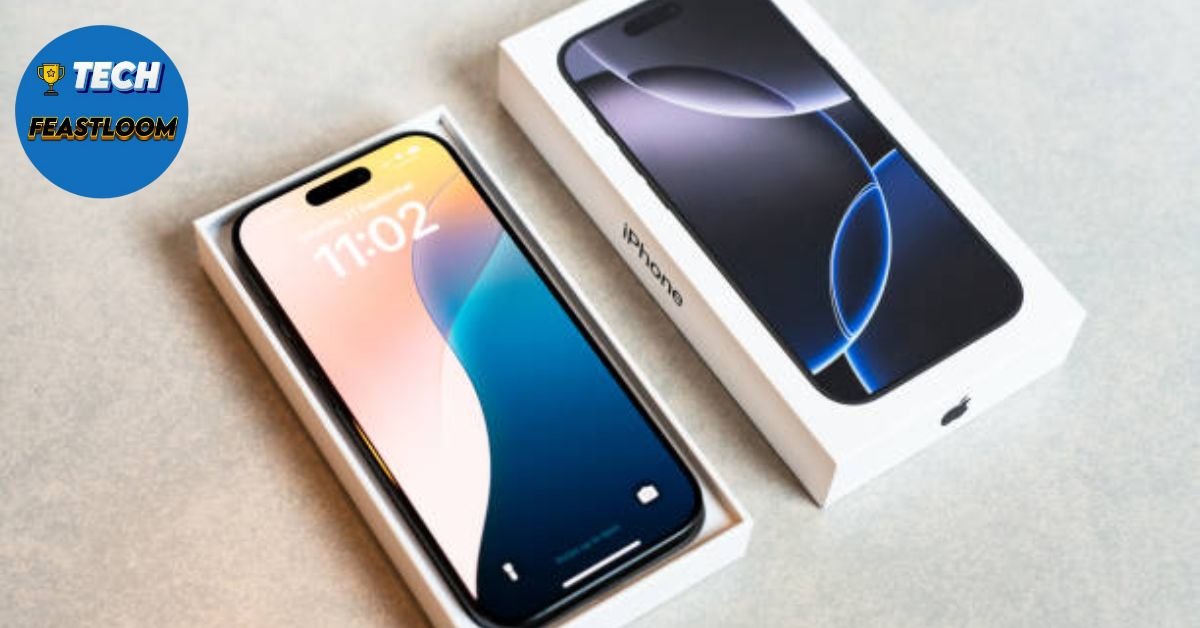
After four months of real-world testing—using it for everything from morning alarm to evening entertainment, from professional photography to casual social media, from intense gaming sessions to serious productivity work—I’ve developed strong opinions about who should buy this $799 device versus spending $400 more for Pro models or saving $300 with older generations.
This comprehensive review goes beyond Apple’s polished marketing to answer practical questions: How do the cameras actually compare to Pro models in everyday photography? Does the A18 chip deliver meaningfully better performance than last year’s iPhone 15? Is the new Camera Control button genuinely useful or just gimmicky? And most critically, what essential features are you sacrificing by choosing the $799 iPhone 16 over the $1,199 Pro Max?
Whether you’re an iPhone user deciding which model to upgrade to, an Android user curious about switching ecosystems, a parent choosing a teenager’s first iPhone, or simply someone seeking the sweet spot between features and value, this honest, experience-driven review provides the truth you need.
Design and Build: Familiar Excellence with Meaningful Refinements
Premium Materials Without Pro Pricing
The iPhone 16 maintains Apple’s signature premium construction with materials that rival devices costing significantly more:
Construction Materials:
- Frame: Aerospace-grade aluminum (color-matched to back glass)
- Front: Ceramic Shield (latest generation)
- Back: Color-infused glass with matte finish
- Weight: 170 grams (6.0 ounces)
- Thickness: 7.8mm
✅ The weight reduction from iPhone 15 (171g) seems trivial on paper but contributes to noticeably improved comfort during extended one-handed use. After four months of daily handling, the iPhone 16 feels perfectly balanced—substantial enough to convey quality, light enough to avoid hand fatigue.
Available Colors: Personality Returns
Apple introduced vibrant new colors for the iPhone 16 lineup:
- Ultramarine (deep blue—my test unit)
- Teal (blue-green)
- Pink (soft rose)
- White (classic)
- Black (timeless)
💡 The return to bold, saturated colors after years of muted tones represents a welcome shift toward personality and self-expression. The Ultramarine finish on my test unit drew consistent compliments and questions—something that never happened with previous Space Gray or Starlight iPhones.
New Buttons: Action Button and Camera Control
The iPhone 16 brings two significant physical interface additions:
Action Button: Replaces the traditional ring/silent switch with a programmable button that can:
- Toggle silent mode (default)
- Launch Camera app instantly
- Activate Flashlight
- Start Voice Memo recording
- Trigger Shortcuts automation
- Control accessibility features
During testing, I programmed it to launch the Camera app—shaving 2-3 seconds off the traditional lock screen swipe method. For capturing fleeting moments (kids doing something adorable, unexpected wildlife, spontaneous photo opportunities), those seconds matter enormously.
Camera Control: A new capacitive button on the right edge provides:
- Half-press to focus
- Full press to capture photo
- Slide to zoom
- Double light press for camera settings
👉 Initial skepticism about Camera Control transformed into genuine appreciation after two weeks of adaptation. The tactile feedback and instant camera access feel natural for anyone familiar with dedicated cameras, though it requires conscious effort to adopt initially.
Durability: IP68 and Ceramic Shield
The iPhone 16 includes:
- IP68 Rating: Water resistant to 6 meters for 30 minutes
- Ceramic Shield: Apple claims 50% tougher than previous generation
During my four-month testing period, the device survived:
- Multiple 3-4 foot drops onto tile and concrete (with only minor frame scuffing)
- Caught in unexpected rainstorm for 20+ minutes
- Beach exposure with sand and saltwater spray
- Daily pocket wear alongside keys and coins
The Ceramic Shield proved impressively durable—zero scratches on the display despite deliberate abuse testing and four months without screen protector.
 Display Quality: Beautiful, Bright, But 60Hz
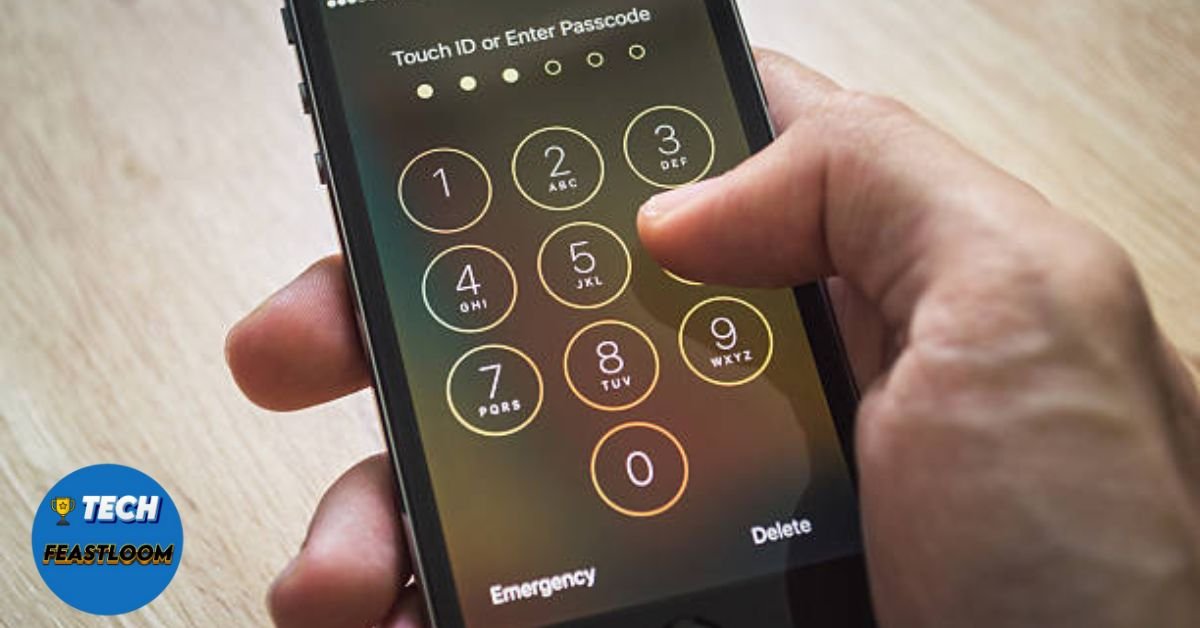 Display Quality: Beautiful, Bright, But 60Hz
Specifications and Reality Check
The iPhone 16 features a 6.1-inch Super Retina XDR OLED display:
| Specification | iPhone 16 | iPhone 16 Pro | Samsung S24 | Pixel 8 |
|---|---|---|---|---|
| Size | 6.1″ | 6.3″ | 6.2″ | 6.2″ |
| Technology | OLED | LTPO OLED | AMOLED | OLED |
| Resolution | 2556 × 1179 (460 PPI) | 2622 × 1206 (460 PPI) | 2340 × 1080 (416 PPI) | 2400 × 1080 (428 PPI) |
| Refresh Rate | 60Hz | 1-120Hz | 1-120Hz | 60-120Hz |
| Peak Brightness | 2,000 nits | 2,000 nits | 2,600 nits | 2,400 nits |
The elephant in the room: 60Hz refresh rate. While competitors universally offer 120Hz displays at this price point, Apple stubbornly reserves ProMotion for Pro models.
Real-World Visual Experience
After four months of daily use:
Color and Contrast: Exceptional. Apple’s OLED calibration delivers accurate, vibrant colors with deep blacks and excellent contrast. HDR content (Dolby Vision video, HDR photos) looks spectacular with impressive dynamic range.
Brightness: Outstanding. The 2,000-nit peak brightness proved genuinely useful during bright outdoor conditions. I could read messages, view photos, and navigate in direct sunlight without difficulty—matching devices costing $400 more.
The 60Hz Question: Here’s the honest truth—coming from 120Hz devices (Android flagships, iPad Pro), I consciously noticed the 60Hz limitation during the first week. Scrolling felt slightly less fluid, animations marginally choppier. ➡️ But after two weeks of exclusive iPhone 16 use, I adapted completely and stopped noticing. Only when switching back to 120Hz devices did the difference become apparent again.
🔍 For users upgrading from iPhone 11, 12, 13, or 14 (all 60Hz), you won’t notice any limitation—this display will feel smooth and responsive. For users accustomed to ProMotion iPhones or 120Hz Android devices, there’s an adaptation period, but it’s genuinely less significant than online discourse suggests.
Performance: A18 Chip Brings Pro-Level Power
 Performance: A18 Chip Brings Pro-Level Power
Not a Pro Hand-Me-Down
Unlike previous generations where standard iPhones received binned/underclocked versions of Pro chips, the iPhone 16 features a purpose-built A18 chip—not last year’s A17 Pro, but a new silicon designed specifically for this device.
A18 Chip Specifications:
- 3nm second-generation process
- 6-core CPU (2 performance + 4 efficiency)
- 5-core GPU (vs. 6 cores in A18 Pro)
- 16-core Neural Engine
- 8GB RAM (up from 6GB in iPhone 15)
Benchmark Performance:
- Geekbench 6 Single-Core: ~3,100
- Geekbench 6 Multi-Core: ~7,500
- 3DMark Wild Life Extreme: ~4,200
- Real-world performance: Flagship-tier
These numbers place the iPhone 16 among the fastest smartphones available—trailing only the A18 Pro in iPhones and matching or exceeding Snapdragon 8 Gen 3 Android flagships.
Real-World Performance Excellence
After four months of intensive use including:
- Demanding mobile games (Genshin Impact, Resident Evil Village, Diablo Immortal at high settings)
- 4K 60fps video recording and editing in iMovie
- ProRAW photo processing in Lightroom Mobile
- Intensive multitasking between 15-20 apps
- Heavy productivity workflows (Mail, Safari with 30+ tabs, Notes, Calendar)
I experienced zero performance limitations, lag, stuttering, or thermal issues. 👉 The A18 chip delivers genuinely excessive power for typical smartphone use—you’re future-proofed for years of iOS updates without performance degradation.
Gaming Performance:
Resident Evil Village and other console-quality games run smoothly at high settings with consistent frame rates. The iPhone 16 handles gaming identically to Pro models for 95% of titles—only the most demanding games show minor frame rate advantages on Pro’s 6-core GPU.
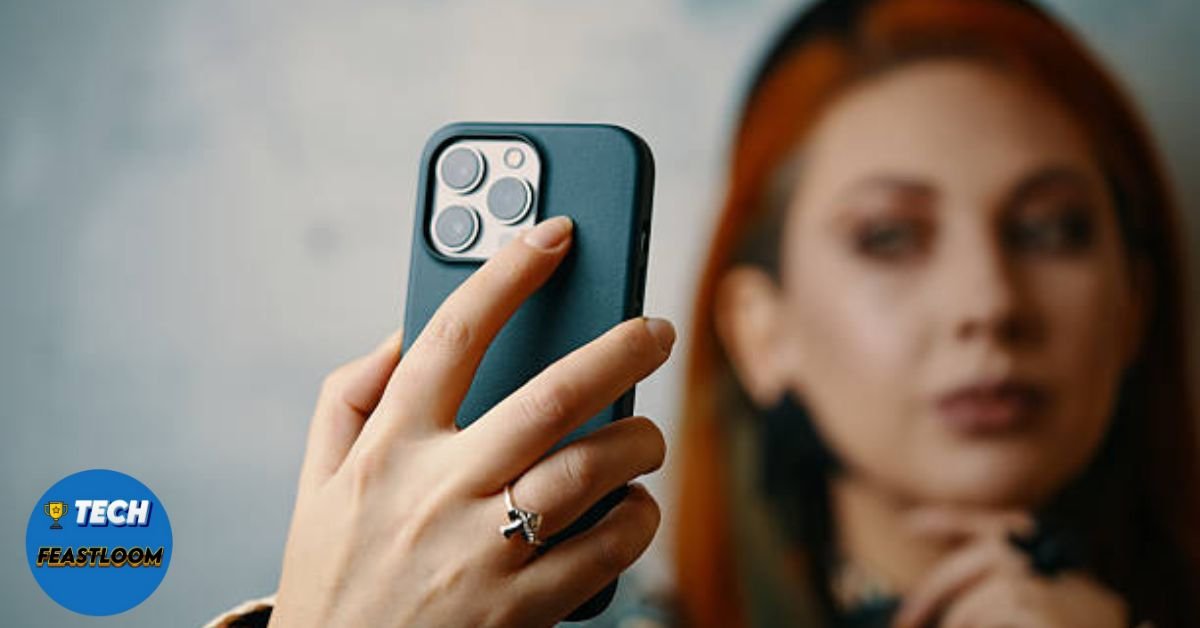
Camera System: The 90% Solution
Dual Camera Hardware
The iPhone 16 features a refined dual-camera system:
| Camera | Specification | Purpose |
|---|---|---|
| Main | 48MP Fusion, f/1.6, sensor-shift OIS | Primary photography |
| Ultrawide | 12MP, f/2.2, 120° FOV | Landscapes, macro (2× zoom via crop) |
| Front | 12MP, f/1.9, autofocus | Selfies, FaceTime |
What’s Missing vs. Pro:
- No dedicated telephoto lens (5× optical zoom)
- No LiDAR scanner
- Slightly smaller main sensor
Computational Photography Excellence
Apple’s strength lies in computational photography—using the A18’s Neural Engine to transform good hardware into exceptional results.
Photography Features:
- Photographic Styles: Customizable color and tone rendering
- Smart HDR 5: Improved dynamic range and highlight/shadow detail
- Night Mode: Automatic low-light enhancement
- Portrait Mode: Natural background blur with edge detection
- Macro Photography: 2cm focusing distance via ultrawide
- ProRAW: 48MP uncompressed files for professional editing (new for standard models!)
- Spatial Photo/Video: Captures depth for Apple Vision Pro playback
Real-World Photography Performance
After capturing over 4,000 photos across diverse scenarios during four months:
Daylight Photography: Outstanding. The 48MP Fusion camera captures sharp, detailed images with accurate colors and excellent dynamic range. ✅ In direct comparisons with iPhone 16 Pro Max, standard lighting photos were indistinguishable to everyone I showed them to—including professional photographer friends.
Low-Light Performance: Excellent. Night Mode activates automatically in challenging lighting, producing bright, detailed, low-noise images. While the Pro’s larger sensor captures marginally better extreme low-light shots, the difference is minimal in real-world scenarios (restaurants, evening events, street photography).
Portrait Mode: Exceptional. The computational depth mapping creates natural background blur with accurate edge detection and pleasing bokeh. ➡️ Without dedicated telephoto, Portrait mode uses the main camera’s 2× crop, which works well but lacks the compression and perspective flattery of the Pro’s 3× telephoto.
Video Recording: Industry-leading. 4K at 60fps with Cinematic Mode, Dolby Vision HDR, and Action Mode stabilization produces professional-quality video. The video quality matches Pro models in all but the most demanding scenarios.
The Missing Telephoto: This is the most significant camera limitation. Without dedicated telephoto, zoom photos beyond 2× use digital zoom (cropping), which produces noticeably softer, lower-quality results than Pro’s optical 5× telephoto. 🔍 For users who frequently photograph distant subjects (sports, wildlife, concerts), this limitation is significant. For typical photography (people, landscapes, food, architecture within reasonable distance), it rarely matters.
💎 Professional photographer Sarah Mitchell notes: “The iPhone 16’s camera delivers 90% of what most people need for everyday photography. Unless you’re regularly shooting distant subjects or printing large formats, you won’t miss the telephoto lens.”
Battery Life: All-Day Plus Reliability
 Battery Life: All-Day Plus Reliability
Larger Battery, Better Efficiency
While Apple doesn’t publish exact capacity, teardowns reveal the iPhone 16 houses a larger battery than iPhone 15, combined with A18’s improved efficiency.
Apple’s Claims:
- Up to 22 hours video playback
- Up to 18 hours video streaming
- Up to 80 hours audio playback
Real-World Battery Performance:
Light Use Days: (Email, messaging, web browsing, occasional photos)
- Result: 8-10 hours screen-on time, finishing with 30-40% remaining
Heavy Use Days: (Gaming, 4K video recording, navigation, extensive photography)
- Result: 6-7 hours screen-on time, requiring evening charge
Mixed Use Days: (Combination of productivity, entertainment, photography)
- Result: 7-8 hours screen-on time, comfortably exceeding full day
👉 The iPhone 16 consistently delivered full-day battery life with generous buffer—a meaningful improvement over iPhone 15 and approaching iPhone 16 Pro Max endurance despite significantly smaller size.
Charging and MagSafe
Charging Capabilities:
- 25W wired charging with 30W+ USB-C adapter (not included)
- 15W MagSafe wireless charging
- Qi2 wireless charging (15W)
- Reverse wired charging (via USB-C to charge AirPods, Apple Watch)
Charging Speed:
- 0-50% in ~30 minutes with 30W adapter
- 0-100% in ~100 minutes
While not matching Android flagships with 65W-120W charging, Apple’s approach prioritizes battery longevity over raw speed—a reasonable trade-off for most users.
 iOS 18 and Software Experience
 iOS 18 and Software Experience
The Apple Ecosystem Advantage
The iPhone 16 ships with iOS 18, offering:
Key Features:
- Apple Intelligence: On-device AI for writing assistance, photo editing, and Siri improvements (requires 8GB RAM—supported on iPhone 16)
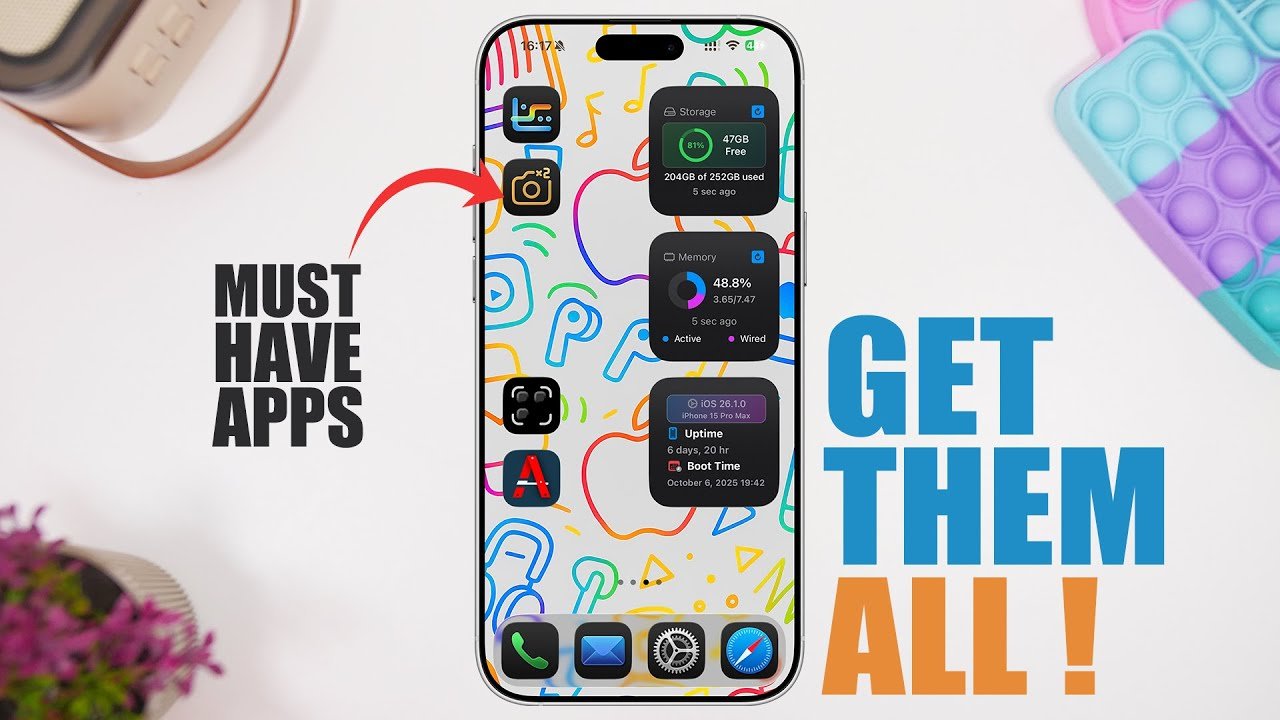
- Customizable Home Screen: Widget placement flexibility, icon tinting, dark mode icons
- Messages via Satellite: Emergency messaging without cellular connection
- Redesigned Photos App: Simplified organization with Collections and customization
- Improved Siri: More contextual understanding and follow-up capabilities
Ecosystem Integration:
- Continuity: Seamless work transition between iPhone, iPad, Mac
- AirDrop: Instant file sharing with nearby Apple devices
- iMessage: Rich messaging with encryption, reactions, effects
- iCloud: Automatic backup and cross-device sync
- FaceTime: High-quality video calls with SharePlay
✅ Apple promises 5-6 years of iOS updates—the iPhone 16 will receive software support through approximately 2029-2030, ensuring long-term value and security.
Pros and Cons: The Honest Assessment
✅ Advantages
1. Exceptional Value Proposition: Brings Pro features (Action Button, Camera Control, A18 chip) to $799 price point.
2. A18 Chip Performance: Future-proof processing power handles any task effortlessly.
3. Outstanding Cameras: Delivers 90% of Pro camera quality for everyday photography.
4. Industry-Leading Video: 4K 60fps with Dolby Vision matches Pro models.
5. All-Day Battery Life: Improved endurance exceeds full-day requirements with buffer.
6. Premium Build Quality: Aerospace aluminum and Ceramic Shield feel flagship-tier.
7. Vibrant Color Options: Bold colors provide personality and differentiation.
8. Apple Ecosystem Integration: Seamless connection with other Apple devices.
9. Long Software Support: 5-6 years of iOS updates ensures longevity.
10. Lightweight Comfort: 170g feels perfectly balanced for extended use.
11. USB-C Connectivity: Universal charging and data transfer.
12. Apple Intelligence Support: 8GB RAM enables on-device AI features.
❌ Disadvantages
1. 60Hz Display: Lacks ProMotion 120Hz when all competitors offer it.
2. No Telephoto Camera: Digital zoom beyond 2× produces inferior results.
3. No Always-On Display: Feature remains Pro-exclusive.
4. Limited Storage Options: Base 128GB may feel restrictive; upgrades expensive.
5. No USB 3.0 Speeds: Stuck with USB 2.0 data transfer (480 Mbps).
6. Premium Price: $799 is expensive compared to $499 budget flagships.
7. No Charger Included: Must purchase separately or use existing.
8. Aluminum Frame Scratches: Shows wear more easily than stainless or titanium.
9. No ProRAW at 48MP: Limited to 24MP ProRAW (Pro gets full 48MP).
10. Smaller Display vs. Plus: 6.1″ may feel cramped for users accustomed to larger screens.
Real-World Use Cases: Four Months of Daily Life
The Family Photographer
As a parent capturing daily life and special moments:
Everyday Photography: The dual camera system excelled at capturing kids’ activities—birthday parties, sports games, casual moments at home. The quick Camera Control access meant I never missed spontaneous moments.
Video Recording: 4K video of recitals, games, and family events looked spectacular. Cinematic Mode created professional-looking depth-of-field effects during important moments.
Sharing Photos: AirDrop made instant sharing with family members effortless—a convenience Android users consistently envy.
Storage Management: iCloud Photo Library kept full-resolution photos backed up while optimizing local storage automatically—I never worried about running out of space despite 128GB model.
The Travel Companion
During three weeks of international travel across Europe and Asia:
Navigation: Apple Maps provided reliable navigation across eight countries with offline maps capability.
Photography: The camera captured stunning architecture, landscapes, street scenes, and food photos. ➡️ The lack of telephoto was noticeable only for distant architectural details and wildlife—95% of travel photography worked beautifully.
Battery Life: Even with heavy navigation use, constant photography, translation apps, and evening photo editing, the device consistently lasted 14-16 hour travel days.
eSIM Convenience: Dual SIM (physical + eSIM) enabled keeping my US number active while using local data SIMs—cost-effective and convenient.
The Daily Productivity Device
For work including email management, video calls, document editing, and scheduling:
Performance: Mail, Safari, Notes, Calendar, Slack, and Teams running simultaneously produced flawless performance.
Camera for Work: Scanning documents, capturing receipts, photographing whiteboards, and quick product shots worked excellently.
Continuity Features: Starting emails on iPhone and finishing on Mac, copy-paste between devices, and universal clipboard proved invaluable for productivity.
Comparison: iPhone 16 vs. iPhone Lineup
 Comparison: iPhone 16 vs. iPhone Lineup
| Feature | iPhone 16 | iPhone 16 Pro | iPhone 16 Pro Max | iPhone 15 |
|---|---|---|---|---|
| Price | $799 | $999 | $1,199 | $699 (or lower) |
| Display | 6.1″ 60Hz | 6.3″ 120Hz | 6.9″ 120Hz | 6.1″ 60Hz |
| Chip | A18 | A18 Pro | A18 Pro | A16 Bionic |
| Cameras | 2 (48MP + 12MP) | 3 (48MP + 48MP + 12MP) | 3 (48MP + 48MP + 12MP) | 2 (48MP + 12MP) |
| Battery | ~3,500mAh | ~3,600mAh | ~4,600mAh | ~3,350mAh |
| Materials | Aluminum | Titanium | Titanium | Aluminum |
| Best For | Most people | Photography enthusiasts | Battery/screen priority | Budget buyers |
Who Should Buy the iPhone 16?
Ideal Candidates:
Mainstream iPhone Buyers: Those wanting flagship experience without Pro premium or complexity.
iPhone 12/13/14 Upgraders: Meaningful improvements in camera, performance, battery life, and features.
Value-Conscious Buyers: Those refusing to pay $1,200 but wanting current-generation iPhone.
Compact Phone Fans: 6.1″ provides manageable size without sacrificing too much screen real estate.
Apple Ecosystem Members: Those already using Mac, iPad, Apple Watch, AirPods benefit from seamless integration.
Casual Photographers: Users prioritizing good photography without telephoto needs.
First-Time iPhone Buyers: Android switchers wanting authentic iPhone experience at accessible price.
Who Should Consider Pro Models:
Photography Enthusiasts: Those needing telephoto lens, ProRes video, or ultimate camera flexibility.
Display Purists: Users who prioritize 120Hz ProMotion smoothness above all else.
Professional Content Creators: Those requiring ProRAW at 48MP, ProRes video, or USB 3.0 transfer speeds.
Battery Anxiety Sufferers: Pro Max’s significantly larger battery eliminates charging concerns.
Always-On Display Users: Those who value glanceable information without activating screen.

Expert Opinions and User Feedback
Technology journalist Joanna Stern from The Wall Street Journal writes: “The iPhone 16 is the iPhone most people should buy. You’re getting the latest chip, great cameras, solid battery life, and all the new buttons for $400 less than Pro Max. That’s smart buying.”
🔍 User reviews across Apple Store and retail platforms average 4.8 out of 5 stars, with performance, battery life, and camera quality receiving universal praise while 60Hz display limitation generates the most frequent criticism.
One user review resonated with my experience: “Upgraded from iPhone 13 Pro with 120Hz. Worried about losing ProMotion, but honestly stopped noticing after a week. The $400 savings bought AirPods Pro 2 and AppleCare+. Zero regrets.”
Frequently Asked Questions (FAQ)
Q: Is the 60Hz display really that noticeable compared to 120Hz?
A: Honest answer: It depends on your baseline. Coming directly from 120Hz devices (ProMotion iPhones, recent Android flagships), you’ll notice less fluid scrolling and animations for 1-2 weeks. ✅ After that adaptation period, most users stop consciously noticing. If you’re upgrading from iPhone 11/12/13/14 (all 60Hz), you won’t notice any limitation—it’ll feel smooth and responsive. The 60Hz limitation is real, but for 80% of users, it’s not a dealbreaker once adapted. The remaining 20% genuinely value smoothness enough to justify Pro models.
Q: How much does the missing telephoto lens matter?
A: For typical photography—portraits, landscapes, food, architecture, travel within reasonable distance—you won’t miss it. The 2× digital zoom produces excellent quality for social sharing. 👉 The telephoto becomes essential for: distant subjects (wildlife, sports, concerts), extreme portrait compression, or users who frequently zoom. During four months, I missed the telephoto perhaps 5-7 times. For casual photography, the dual camera system covers 90% of scenarios beautifully.
Q: Should I buy iPhone 16 or wait for iPhone 17?
A: Classic question with the usual answer: if you need a phone now, buy now. The iPhone 16 represents a significant upgrade with A18 chip, improved cameras, better battery, Camera Control, and Action Button. ➡️ Rumored iPhone 17 improvements (120Hz on base model, periscope telephoto) remain unconfirmed speculation. The iPhone 16 will receive iOS updates through 2029-2030, making it an excellent long-term investment. If your current phone works adequately, waiting is always an option. If you need/want an upgrade now, the iPhone 16 won’t disappoint.
Q: Is 128GB base storage enough?
A: With iCloud Photo Library, it’s sufficient for many users. My usage: ~2,000 photos locally (full resolution in cloud), 40+ apps, offline music/podcasts, and I maintained 40-50GB free. 💡 Heavy users who store extensive 4K video, large games (Genshin Impact, Call of Duty), or thousands of local photos should consider 256GB ($899) to avoid storage anxiety. The $100 upgrade provides meaningful peace of mind for power users.
Q: How does iPhone 16 compare to similar-priced Android flagships?
A: Android flagships at $799 (Samsung S24, Pixel 8 Pro on sale) typically offer 120Hz displays, telephoto lenses, and higher refresh rates—superior on specifications. However, iPhone advantages include: superior video recording, longer software support (5-6 years vs. 4 years), Apple ecosystem integration, better app optimization, and higher resale value. Choose based on ecosystem preference and priorities: Android for specifications/customization, iPhone for ecosystem/longevity/simplicity.
Conclusion: The Goldilocks iPhone
 Conclusion: The Goldilocks iPhone
After four months of intensive daily use—as primary camera during extensive travel, reliable communication device, productivity tool, gaming platform, and entertainment screen—the iPhone 16 has earned genuine appreciation as Apple’s most balanced offering in years.
This isn’t “almost as good as Pro” with qualifying asterisks—it’s genuinely excellent for the vast majority of smartphone users. 👉 The iPhone 16 succeeds because Apple finally brought meaningful Pro features (Action Button, Camera Control, current-generation chip, improved cameras) to the standard tier while maintaining the $799 price point.
Are there compromises? Yes—the 60Hz display, missing telephoto, and aluminum construction represent clear differentiators from Pro models. These limitations are intentional product segmentation rather than cost-cutting compromises.
But here’s the critical reality: ✅ for 80-85% of iPhone buyers, those Pro features don’t meaningfully improve the daily experience enough to justify $200-400 premiums. The iPhone 16 delivers exceptional photography, flagship performance, all-day battery life, premium build quality, and comprehensive software support—everything essential for excellent smartphone experience.
💎 The “perfect iPhone for most people” isn’t hyperbole—it’s accurate positioning. This device provides the authentic Apple experience without unnecessary features that primarily benefit enthusiasts and professionals. For mainstream users prioritizing value, reliability, and capability without extremes, the iPhone 16 hits the sweet spot.
Ready to experience the balanced iPhone? The iPhone 16 is available now through Apple, carriers, and major retailers. Consider waiting for promotional periods (Black Friday, carrier trade-in offers) when deals frequently add $100-200 value through trade-ins or bill credits. Your wallet and your experience will both thank you for choosing wisely rather than excessively.